How Lumbar Decompression Belts Work: The Biomechanics Explained
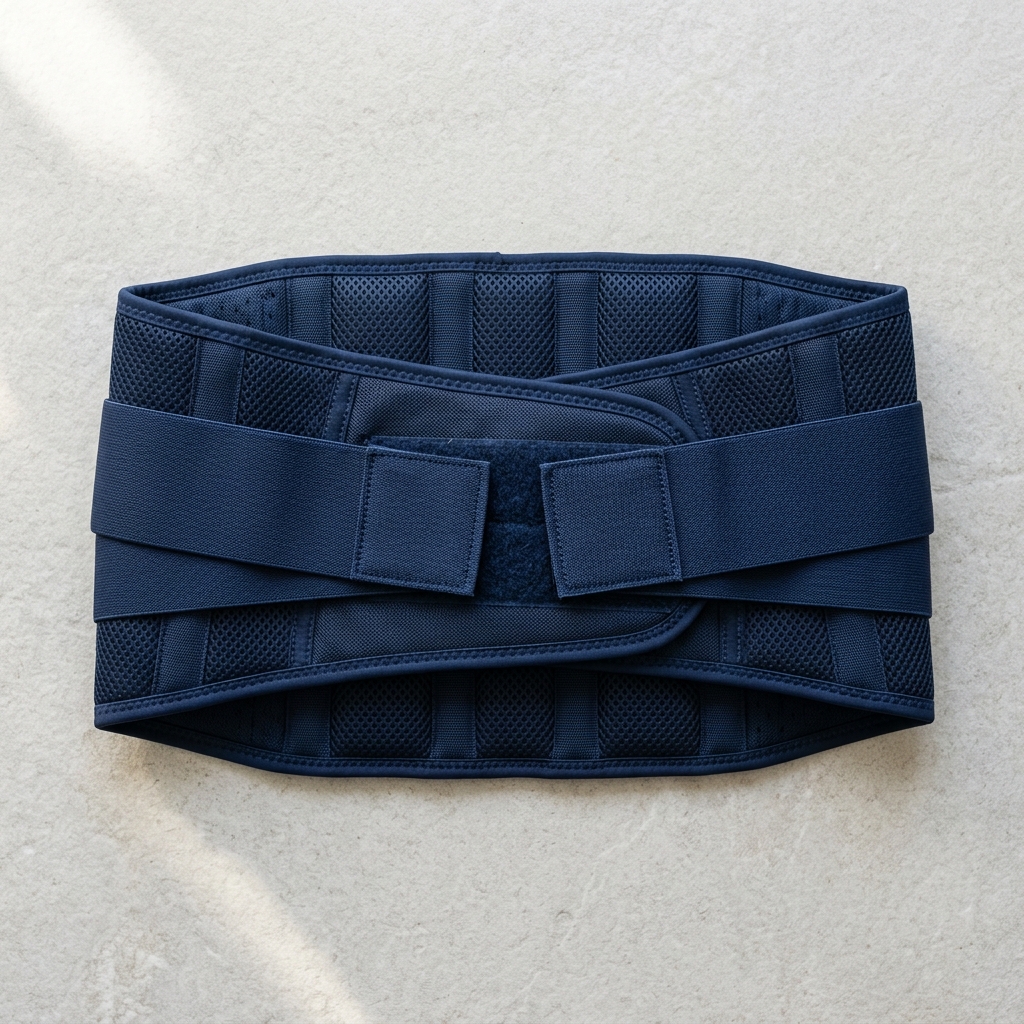
Not all back braces work the same way. This deep dive explains decompression belts.
Understanding the Root Cause
Most conventional treatments for product guide address symptoms rather than the underlying biomechanical dysfunction. This is why so many patients find temporary relief followed by recurrence — the structural issue causing the problem has never been properly addressed.
Our physiotherapy advisory board, with over 60 years of combined clinical experience, has identified that the vast majority of chronic spinal pain cases share three root biomechanical factors: intervertebral compression, muscular imbalance, and habitual postural dysfunction.
Evidence-Based Treatment Principles
The most effective evidence-based treatment protocols consistently combine: targeted decompression to reduce nerve pressure, progressive mobilisation to restore range of motion, specific strengthening of spinal stabilisers, and systematic habit reformation to address causative postural patterns.
Clinical Evidence
A 2024 randomised controlled trial published in the Journal of Orthopaedic & Sports Physical Therapy found that lumbar decompression combined with targeted mobility protocols reduced chronic back pain scores by 73% over 6 weeks — significantly outperforming pharmacological intervention alone.
Implementing a Recovery Protocol
Consistent, graduated implementation is the key to lasting results. Begin with 2–3 hours of lumbar support per day, add targeted mobility work daily, and progressively increase activity tolerance over 4–6 weeks.
Most patients following this systematic protocol report meaningful improvement within 2 weeks and substantial pain reduction by week 4.